Star Technology: UV
We are now in UV, with a whole new dimension to explore: Abydos. It contains an endless desert, scattered with various structures containing important loot. Within some of the treasure chests are bacteria, which we must cultivate to harvest stem cells for highly advanced circuits. There are also four drillable liquids filled with new minerals that can be extracted and processed. Let's get started!
With the stargate newly opened, we spent some time exploring Abydos. The dimension has an eternal sandstorm that occasionally damages you, but because we are playing in peaceful mode (as intended), it never hurt enough to become a problem, even without crafting the fancy armor from last tier. The two structures that contain loot are the tombs and the pyramids. The most important item to obtain from the chests is the dormant bacteria. There are some other useful items, such as the ruined components and the naquadah armor, but those aren't used until later tiers. We can also get the Pharaoh's Necklace which stops the sandstorm damage, although it's rare and not really a necessity.
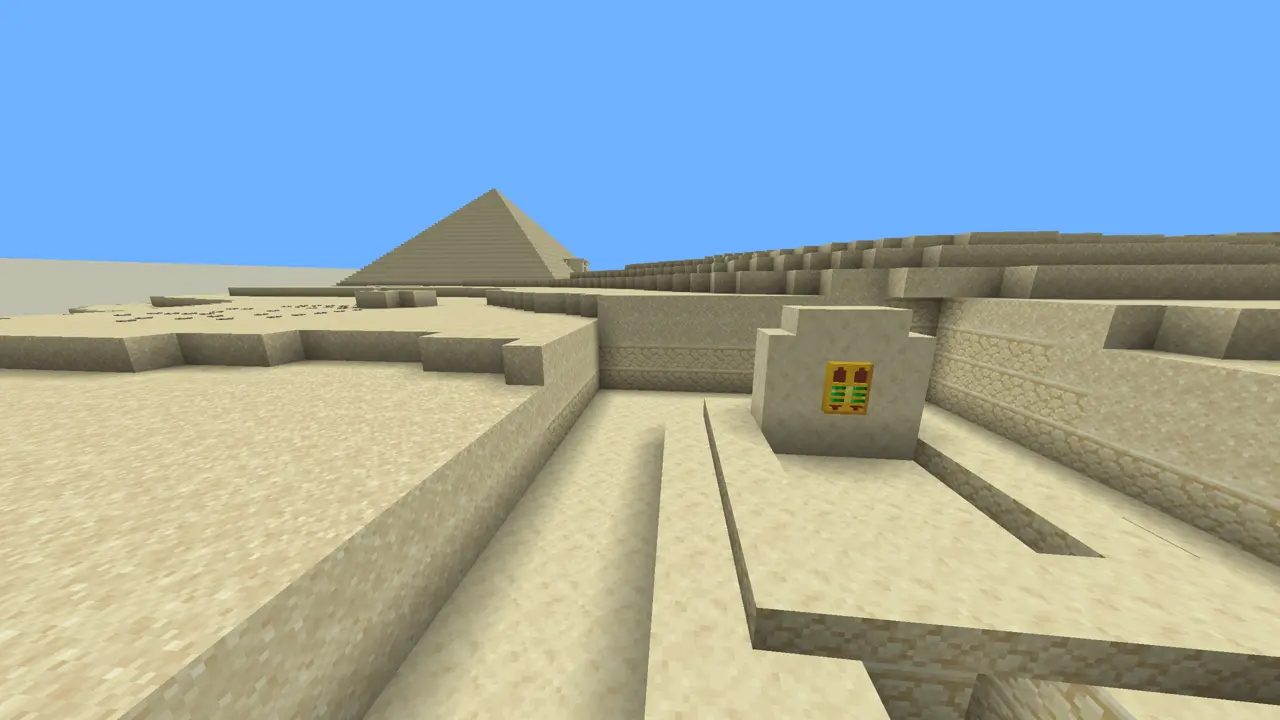
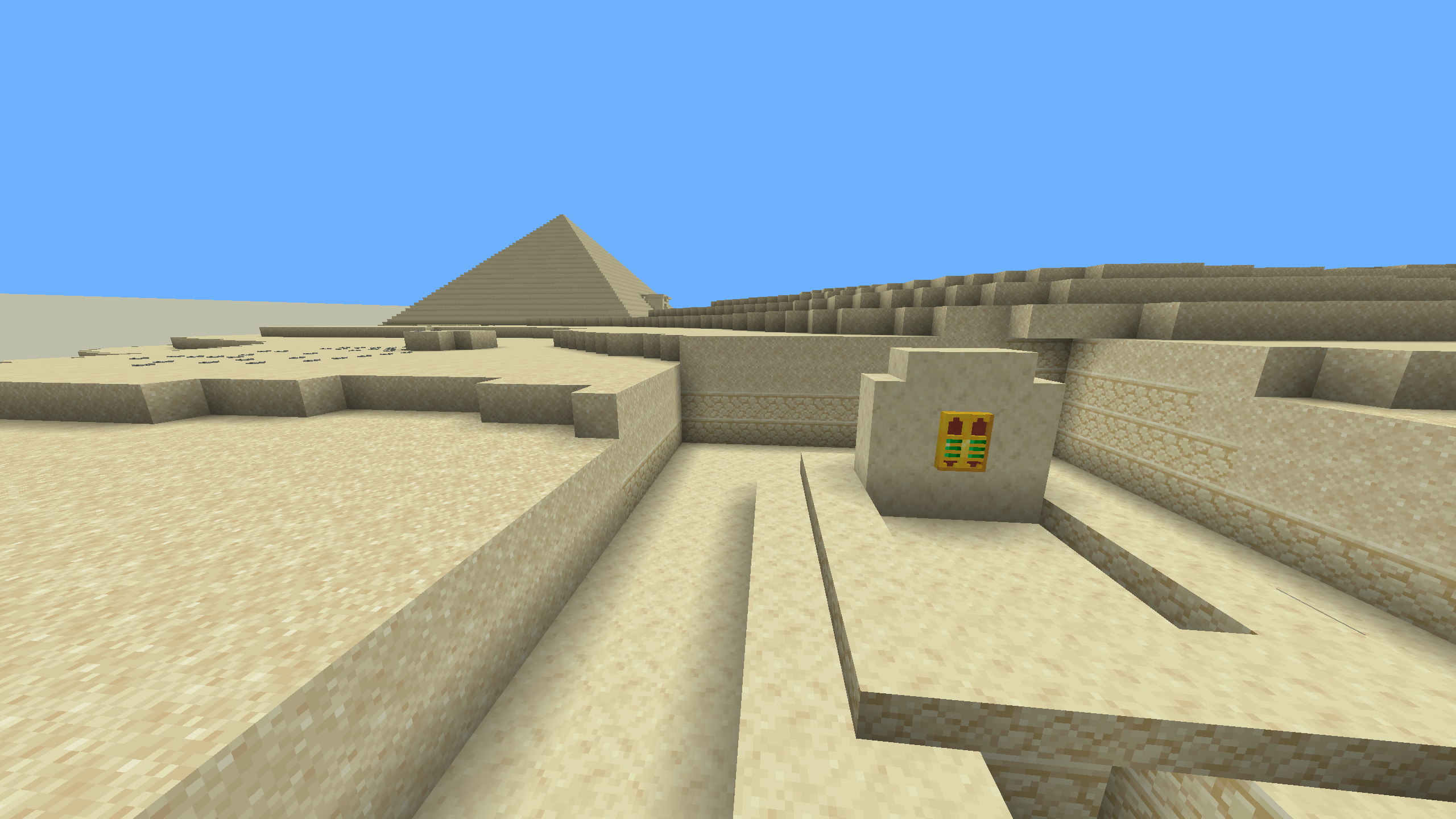
The more immediately important resources from Abydos are the fluids that can be drilled. There are three types of "dense magma" — refractory, reactivity, and naquadite — and also gritty akreyrium. The different dense magmas turn into a bunch of things, but primarily zirconium and zapolgium. We can convert the magma into raw ores directly, or we can use the more efficient recipe of turning it into residue first with the cyclonic sifter. We do need some thallium first to craft the cyclonic sifter, and thallium is a product of the reactivity dense magma, so you must either use the inefficient recipe first or manually mine some crookesite from Abydos. (I found this a bit confusing at first.)
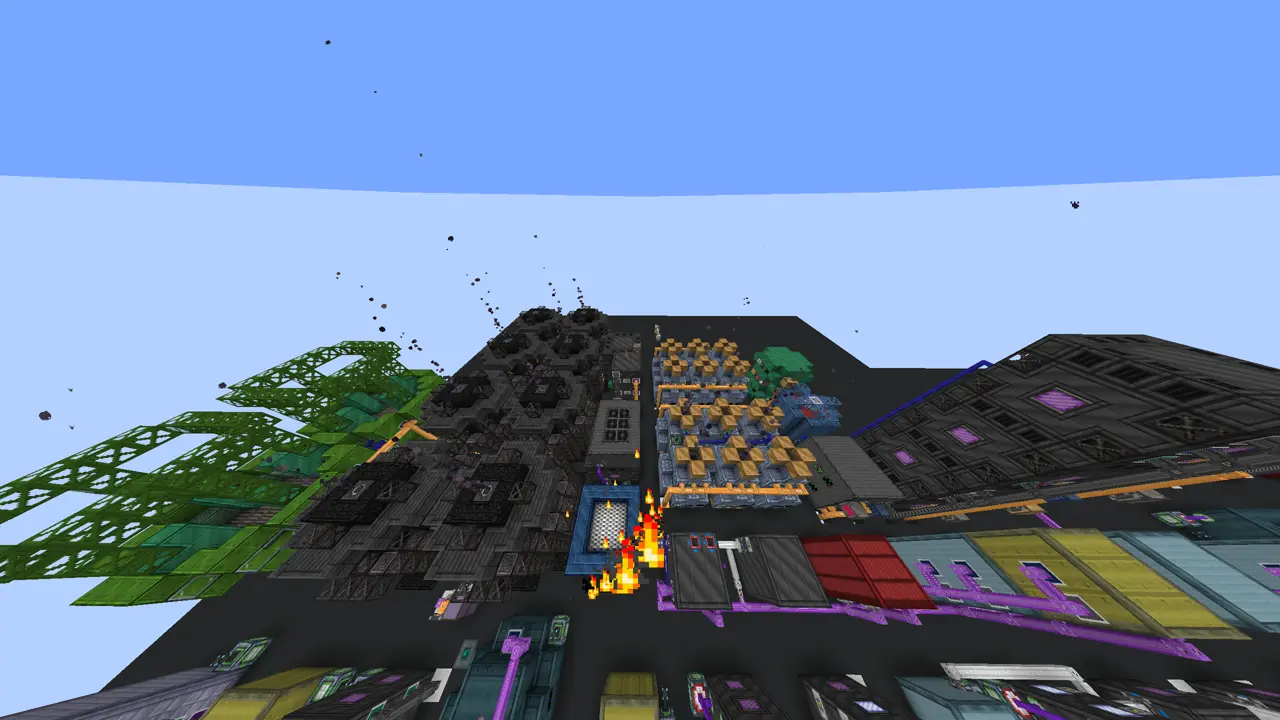
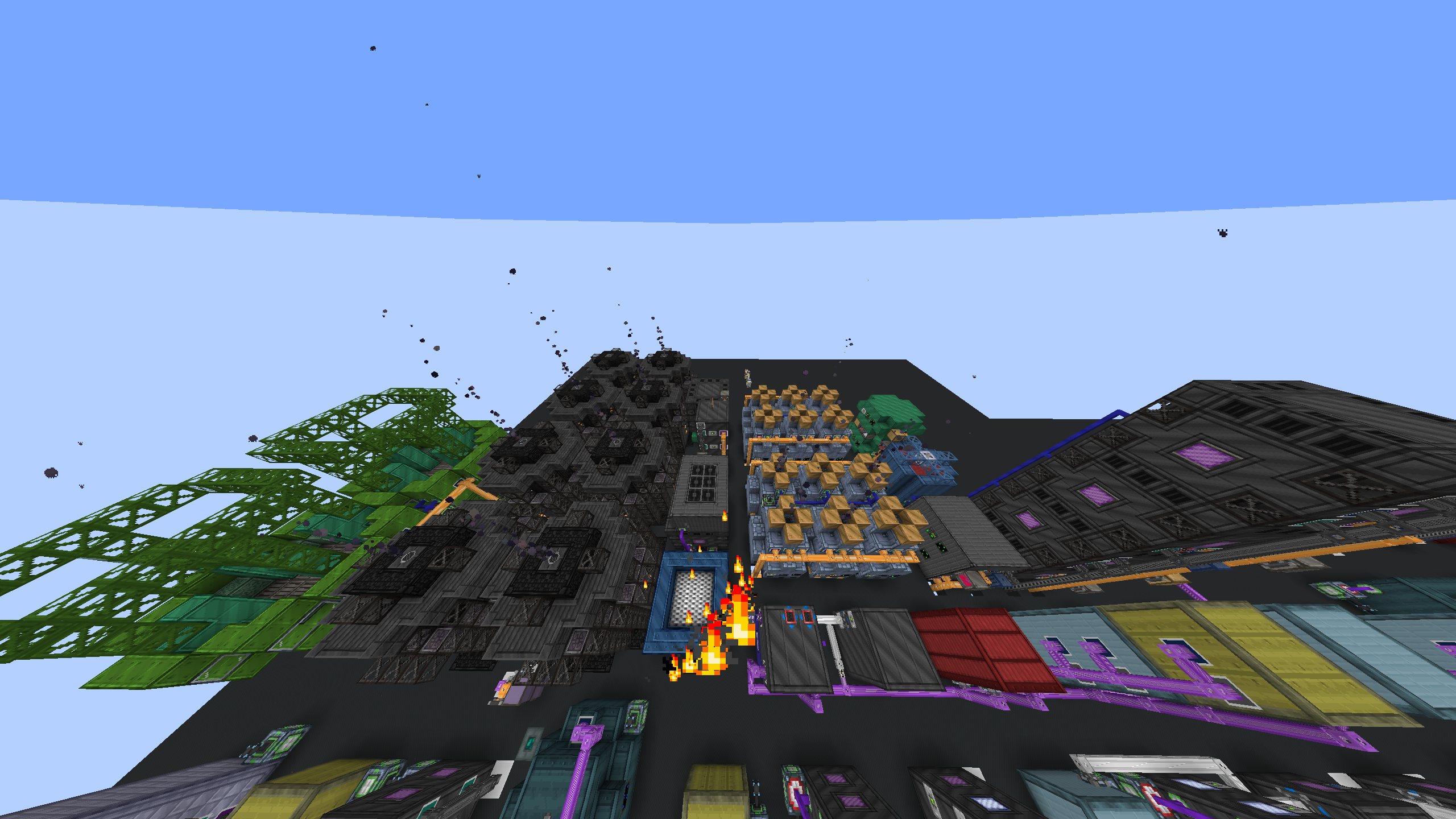
Sorry about the FOV in some of these screenshots; the Pharaoh's Necklace gives Speed III, which increases my FOV, and for a while I forgot to adjust it down.
Before getting into bacteria, I did some AE2 infrastructure improvements. I switched over from the perfect overclocking multiblocks to the parallel ones, and built a few more Haph setups. They're a bit of a pain to build but they are so worth it for the autocrafting speedups and convenience.
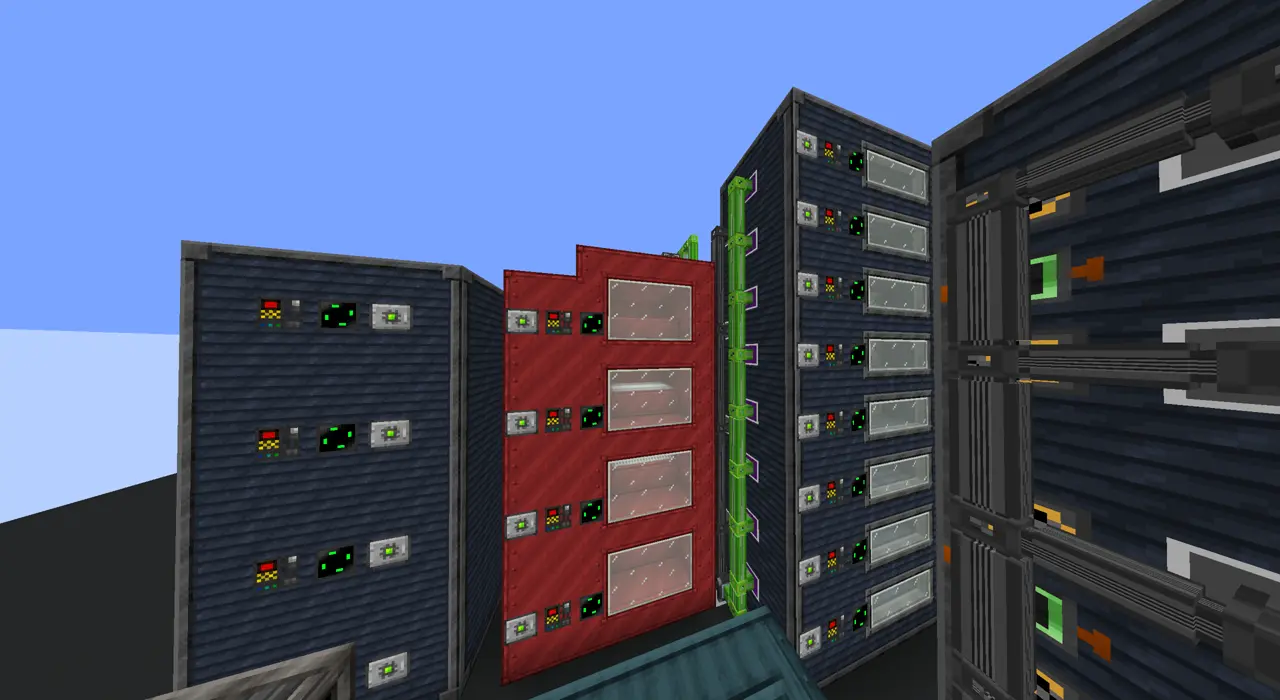
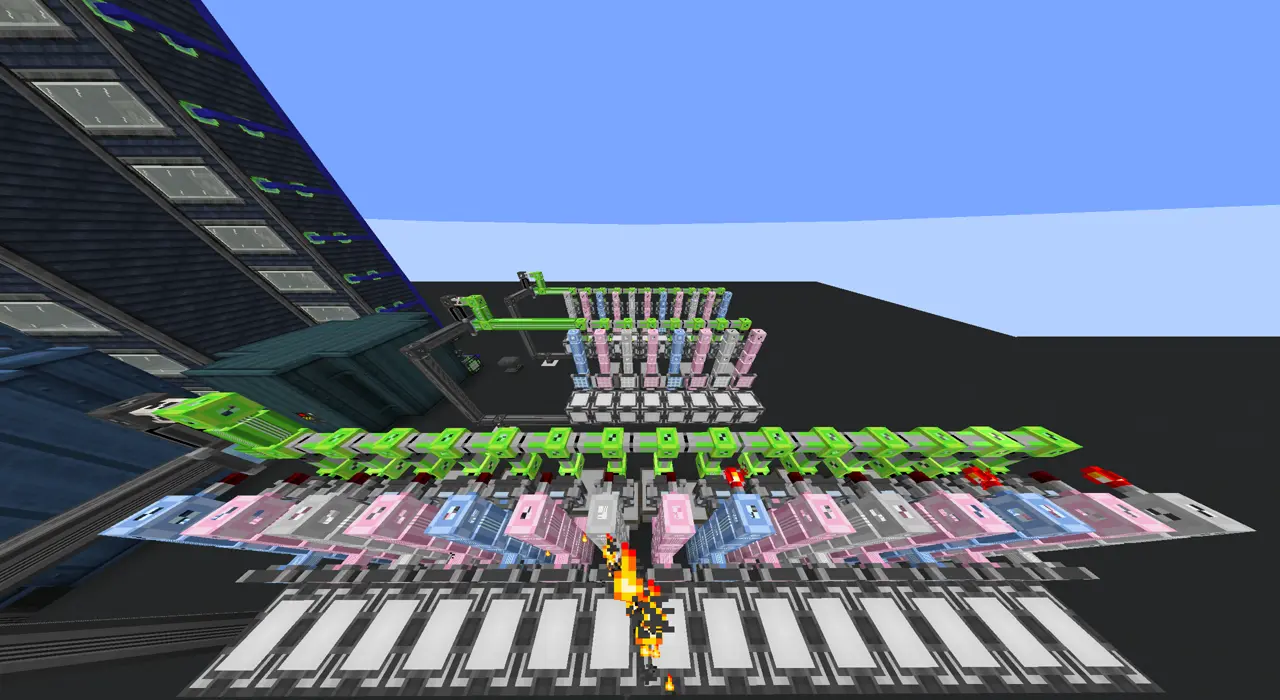
Mazerak had a new project: replacing Chemical City. Our old setup for all the plastics was very dated, still using old LCRs. It was also the first (second?) AE2 subnet we built on the server, which meant it was poorly designed, with Super Tanks and import/export buses everywhere. In my opinion, we should have waited to replace Chemical City until after we had bacteria, since they make the petrochemicals much easier to produce, but we needed PEEK plastic right now anyways. Time to say goodbye to one of the oldest builds on the server.
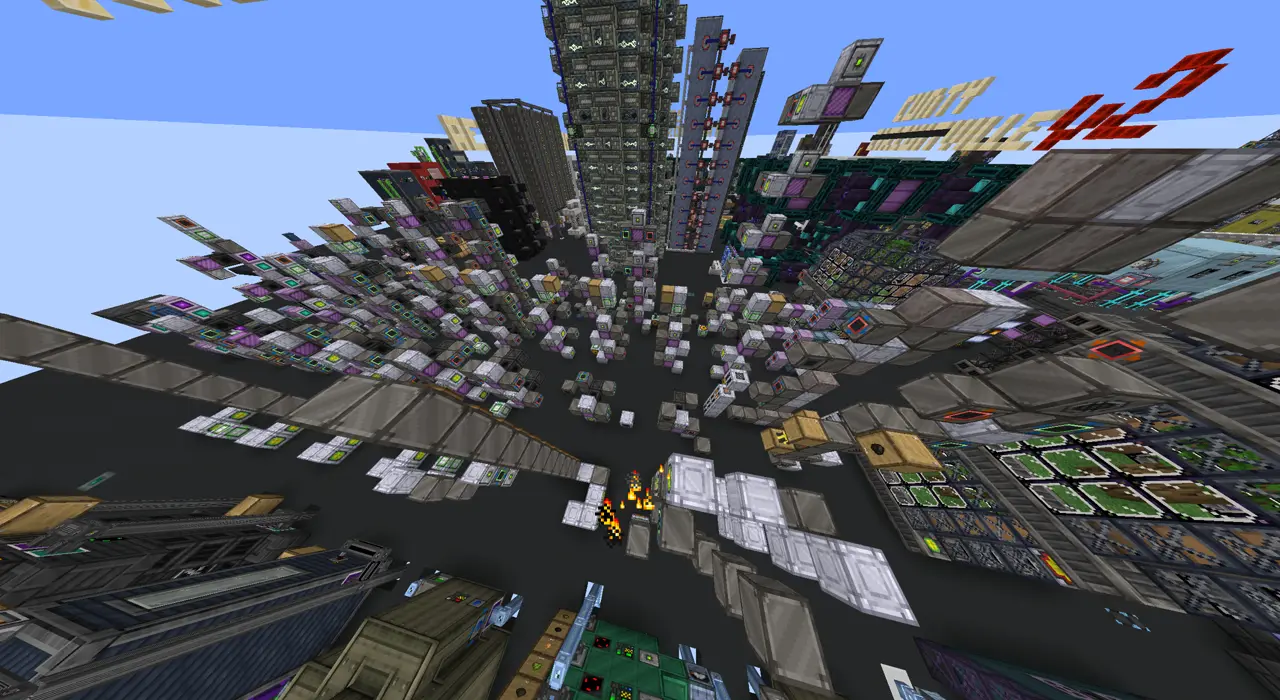
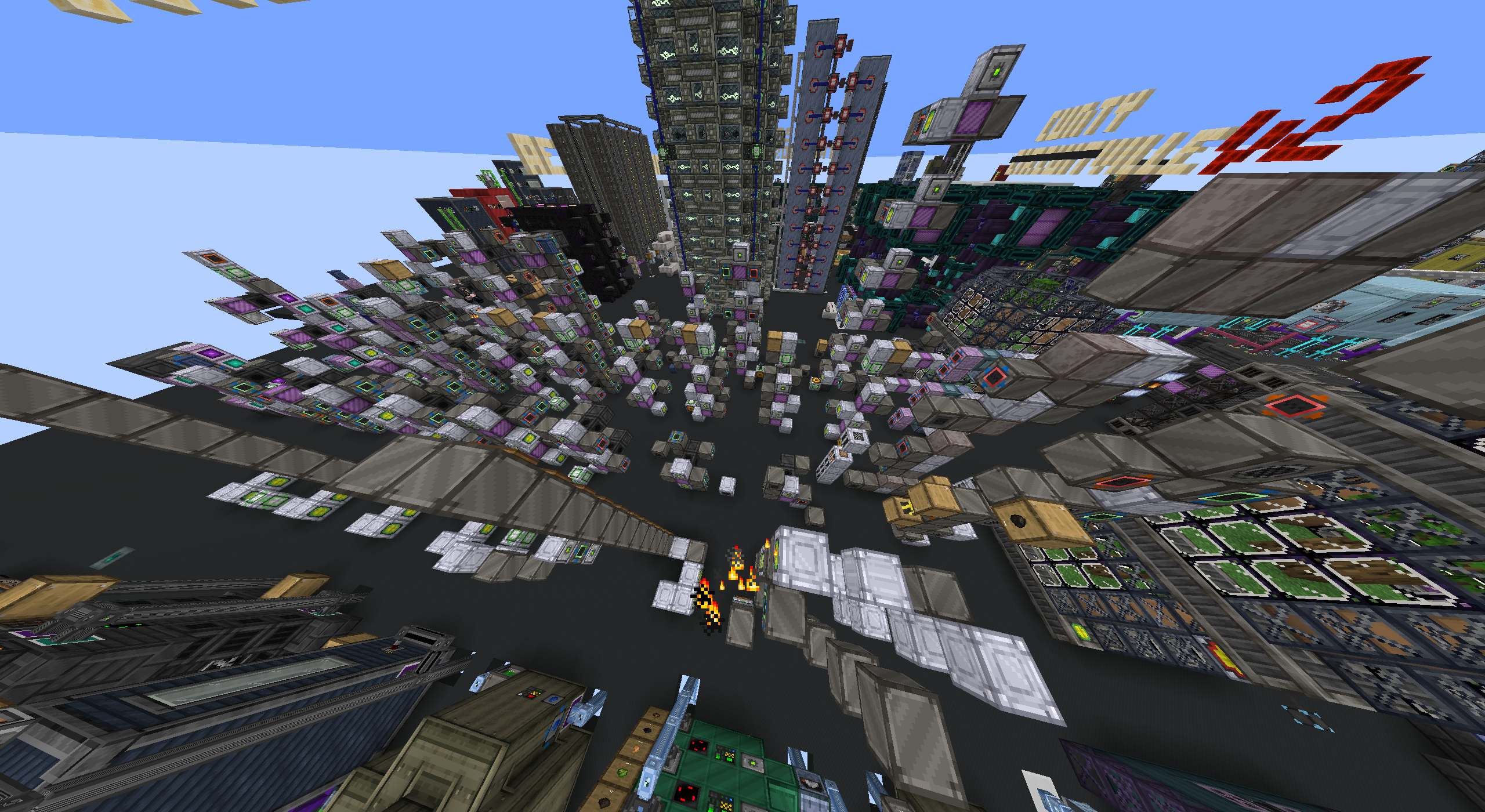
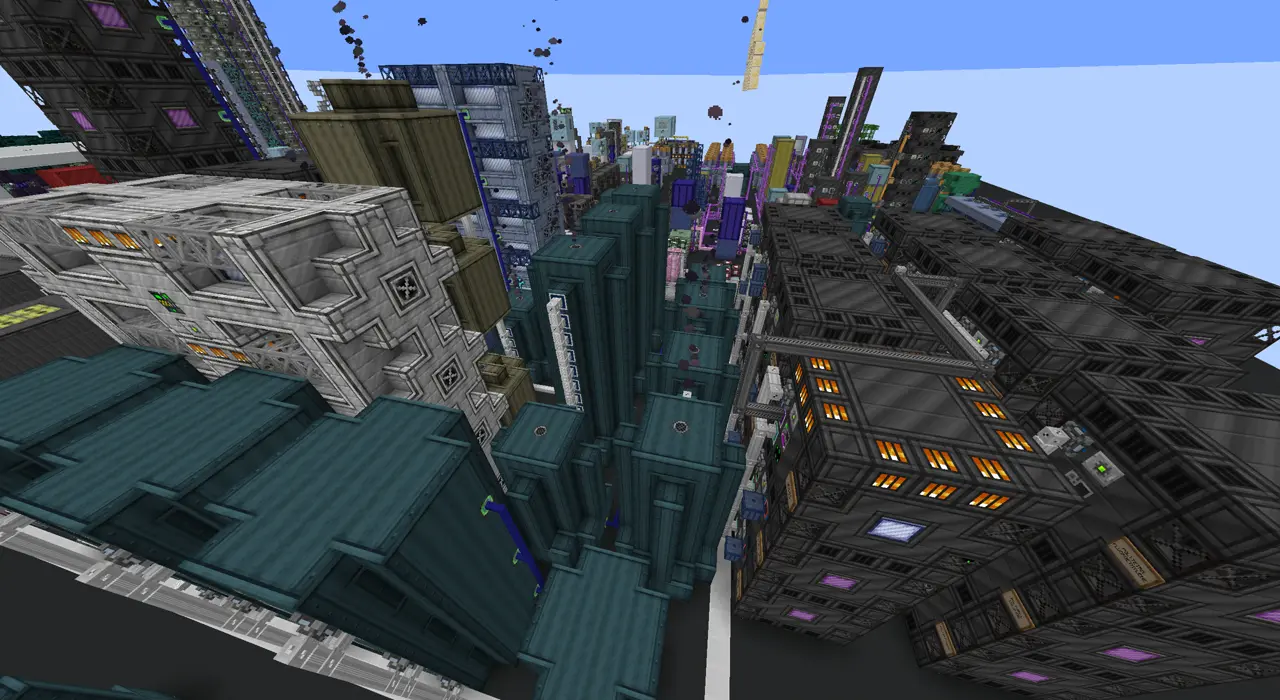
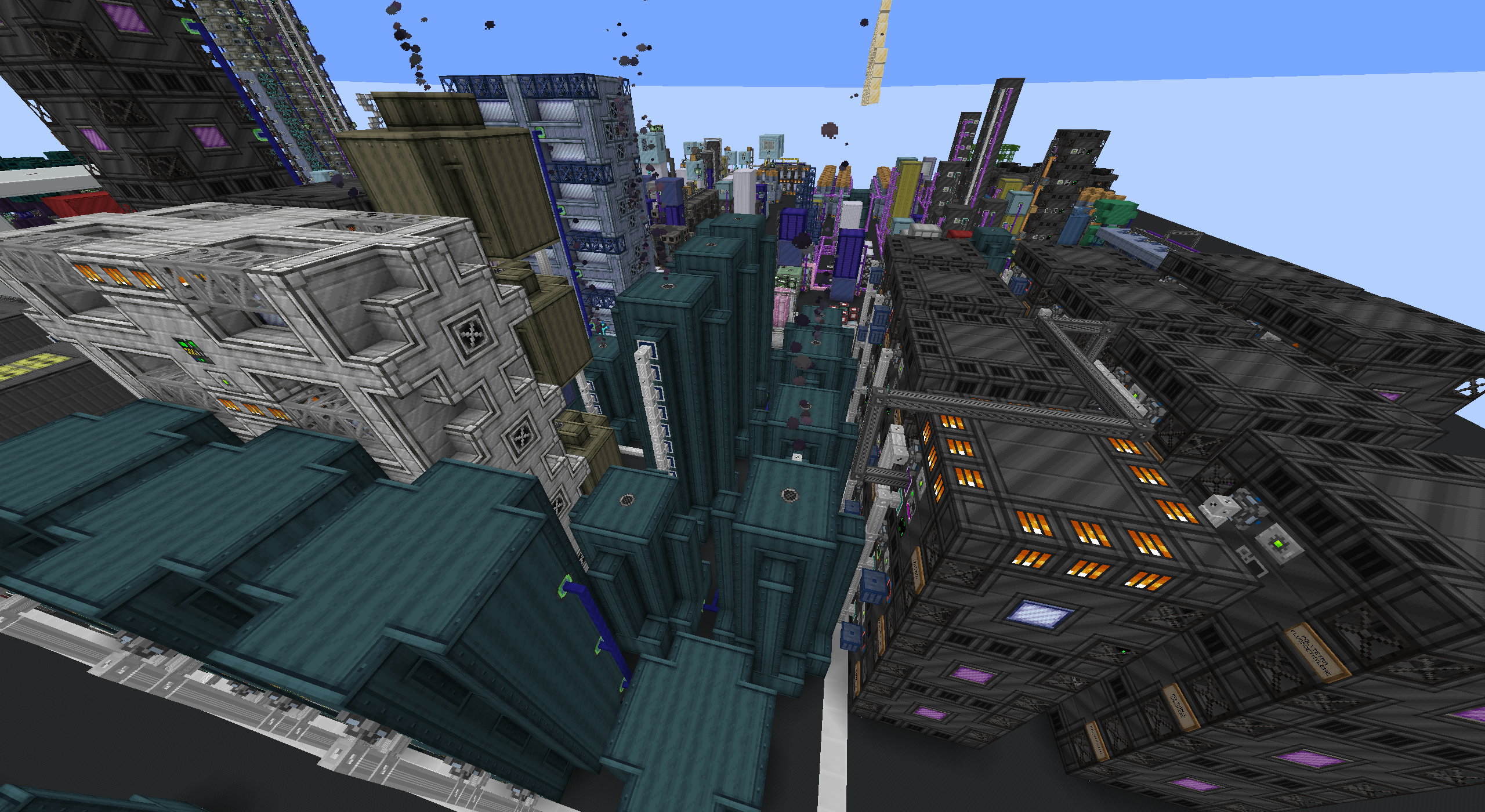
At this point, I got sick and tired of server lag. The profiler told us that we were running at around 70 milliseconds per tick, and I think this was an underestimate because it seemed like recipes took over twice as long to finish as they should have. Even after eliminating the biggest sources of lag on the server (interfaces on large output buses are surprisingly laggy!) it was still unacceptably slow. For a while now we had been running the server on Maz's Amazon EC2 instance, but this was very expensive and had too little RAM. After some searching, I found Kinetic Hosting (not sponsored!) to be a good option. Apart from some minor downtime, it's been a smooth experience for the past two weeks; our mid-UHV server is running at 36 milliseconds per tick on the 12GB plan.
Now that we have plastic, it's bacteria time. Maz did the hard work mutating the bacteria; it looks rather tedious. I find the bacteria mutating mechanic kind of weird, since once you put in the hard work to get the best possible bacteria, you basically don't need to think about it anymore. There's no tradeoffs between efficiency and productivity or anything that would make it actually interesting; you just choose how to prioritize the chemical outputs. We didn't particularly care about the petrochemicals since we had just built the new Chemical City, so the bacteria fluid was all that we wanted.
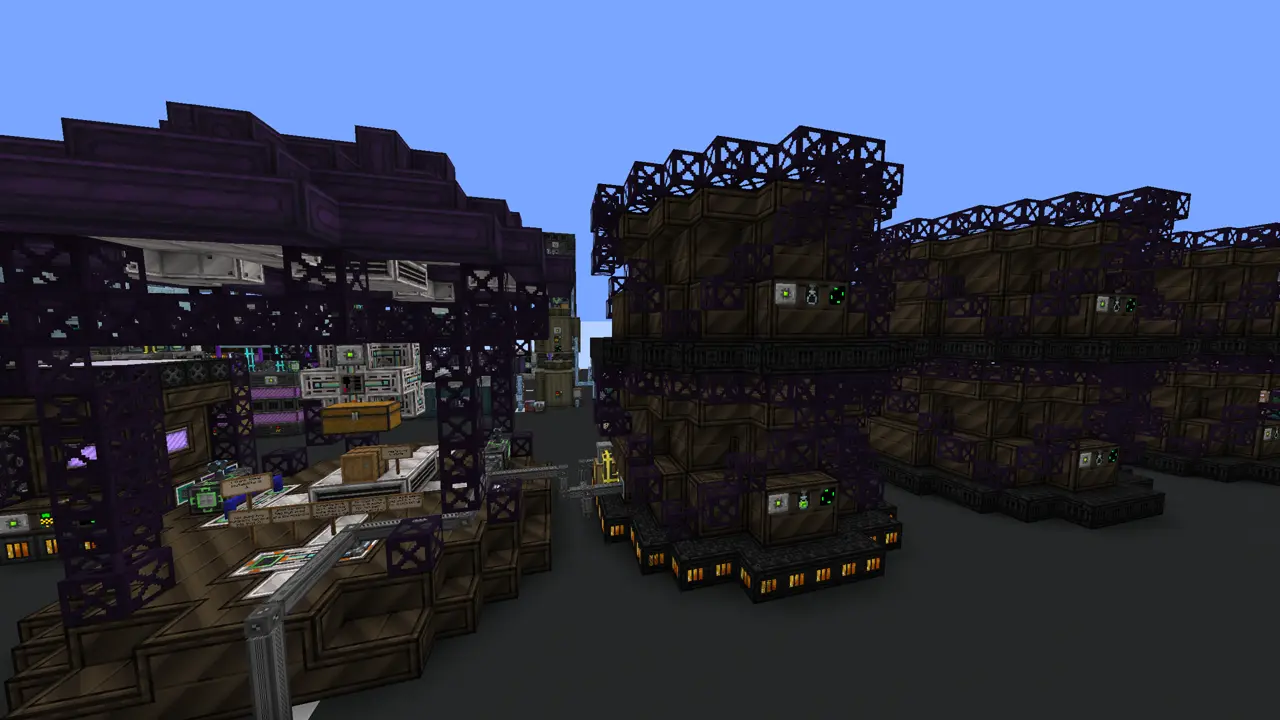
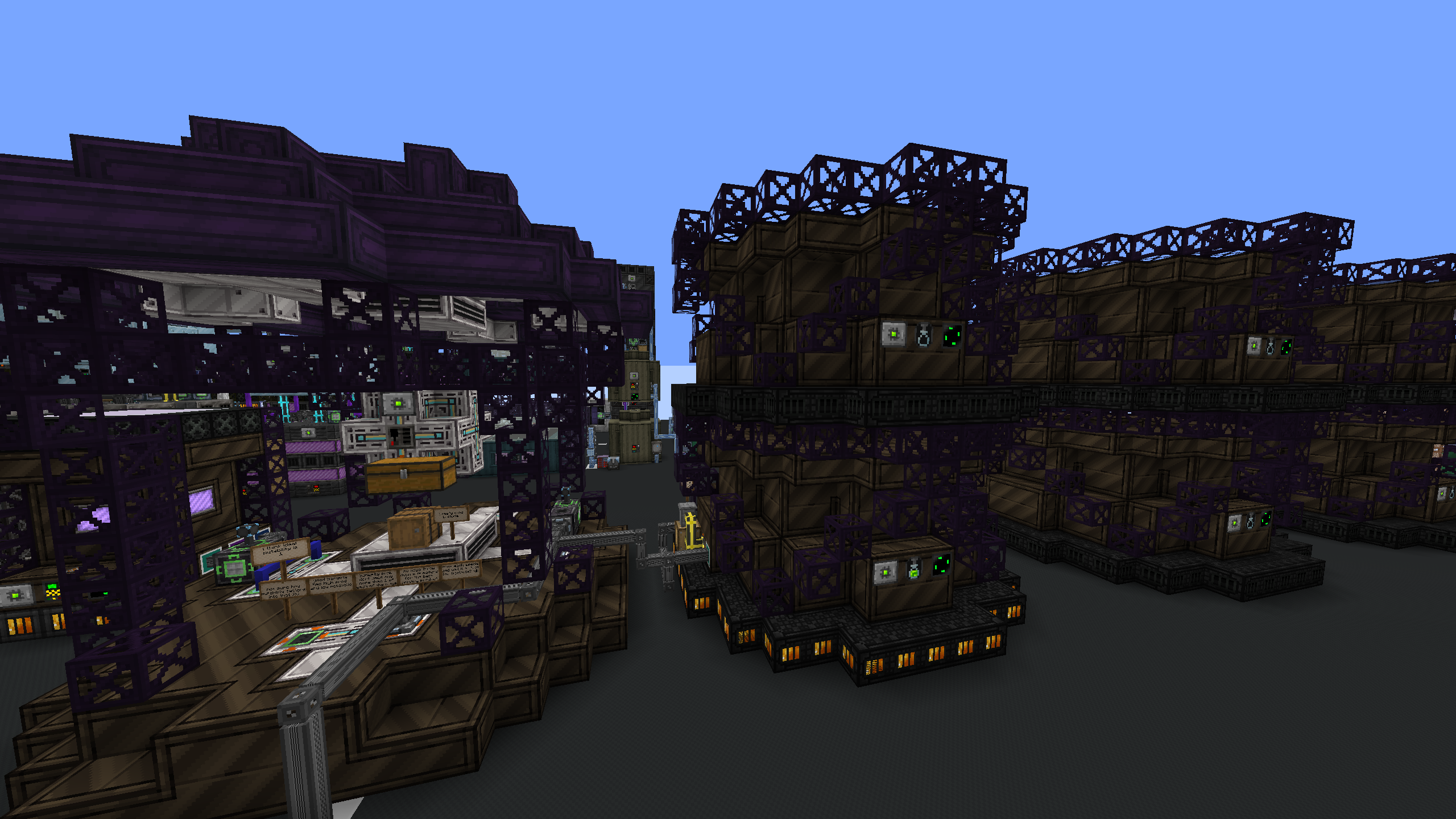
Our next task is to use the bacteria fluid to produce sterilized growth medium and stem cells. For small, self-contained builds like these, I've began working out the ratios of the materials beforehand so that I know what the bottleneck is and how many machines to make. It also helped in this case because one option here is to feed some of the growth medium back in a loop to make bacterial sludge, producing stem cells as a byproduct, and I worked out the right ratios to leave us with enough of both the growth medium and stem cells.
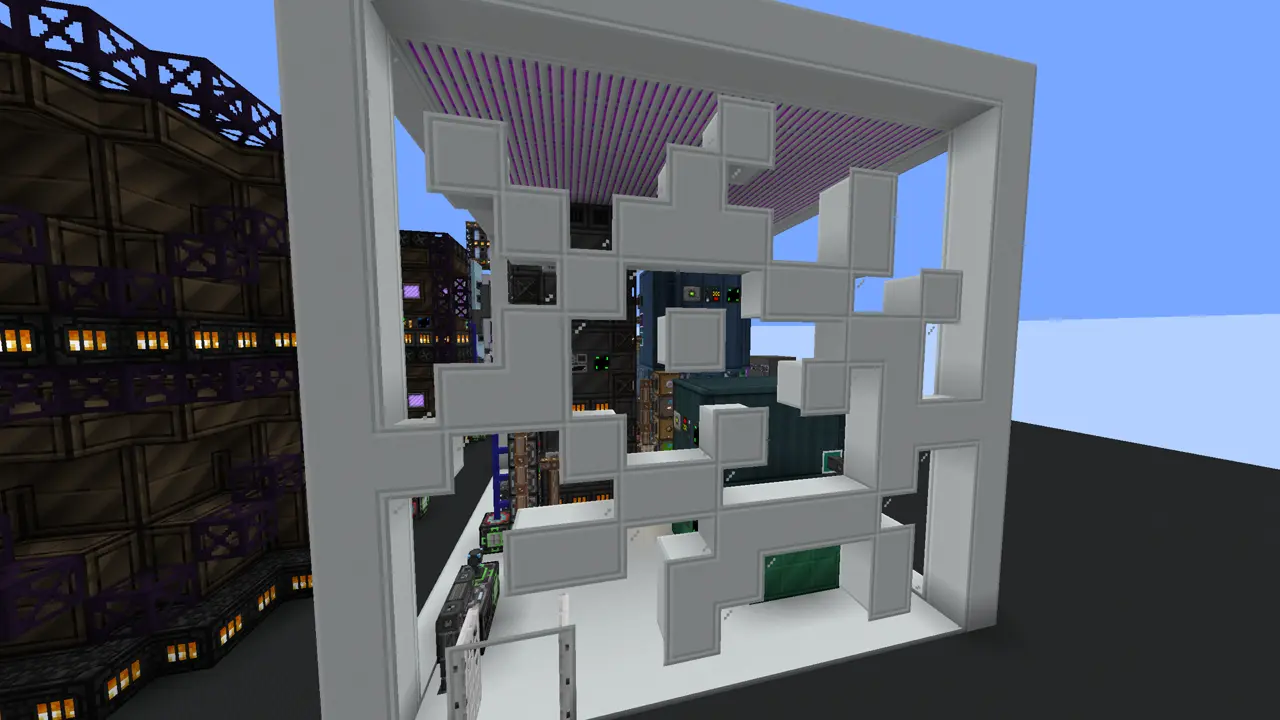
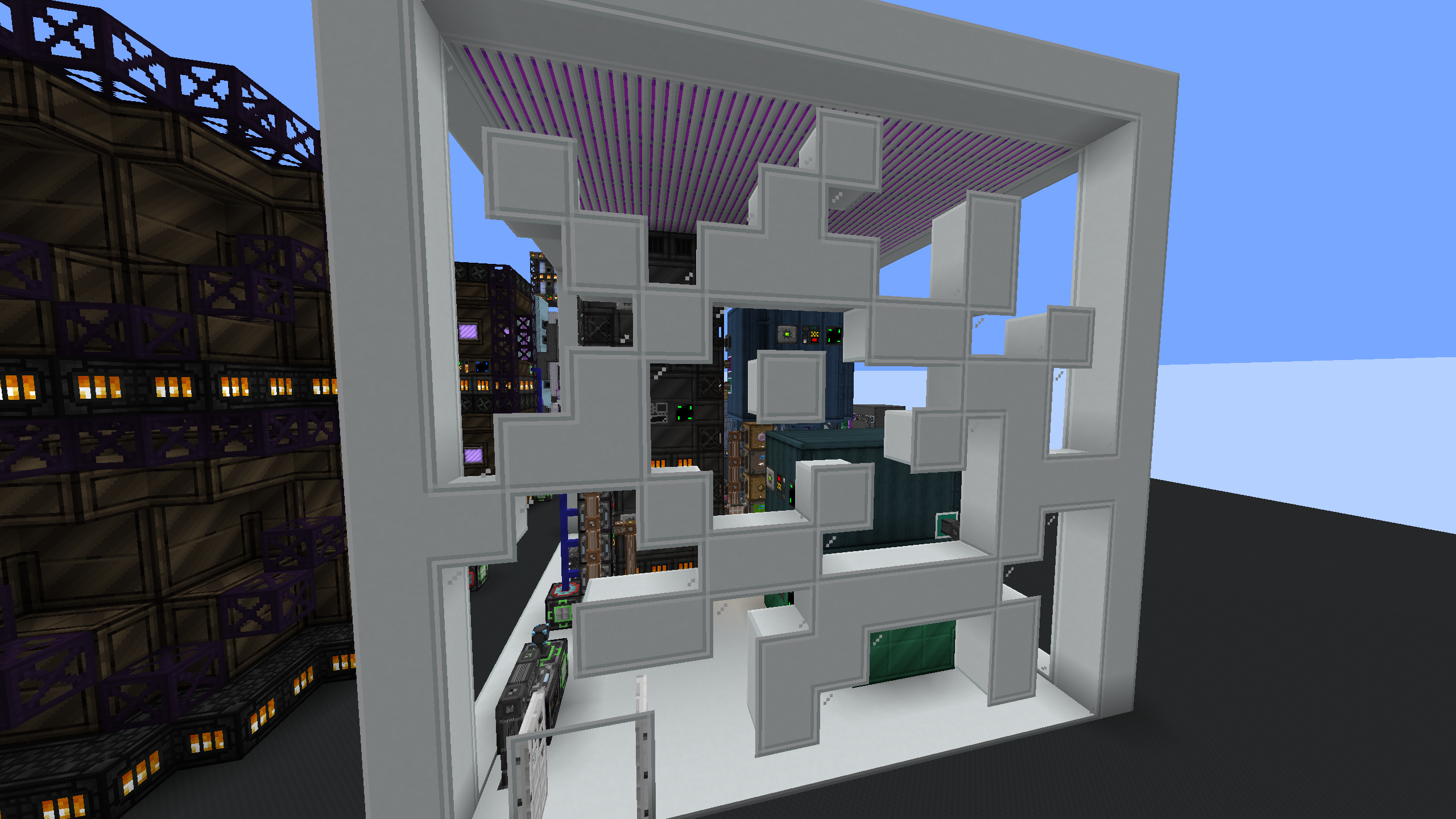
With that out of the way, the final step of UV (that I worked on) is making the next tier of circuits. Our circuit infrastructure is horribly dated, with the lowest tier circuits still being made by a build all the way back from HV. It's time for an overhaul. Welcome to Circuittown!1
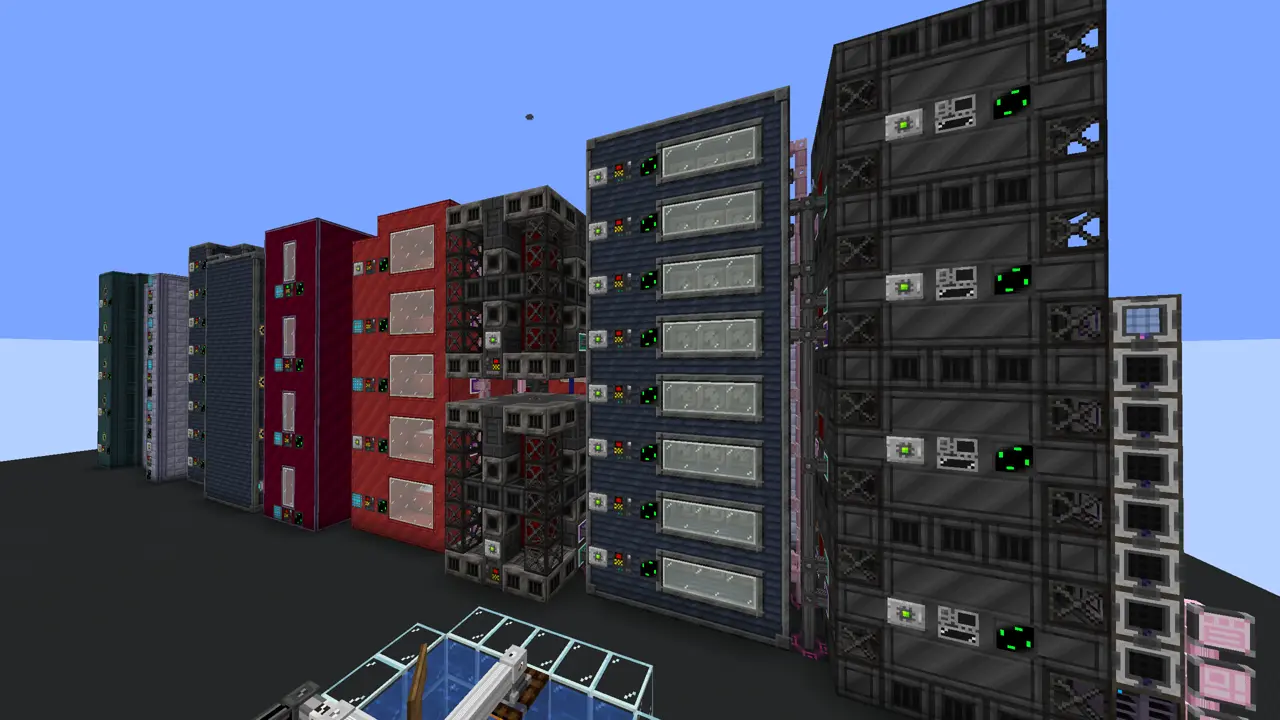
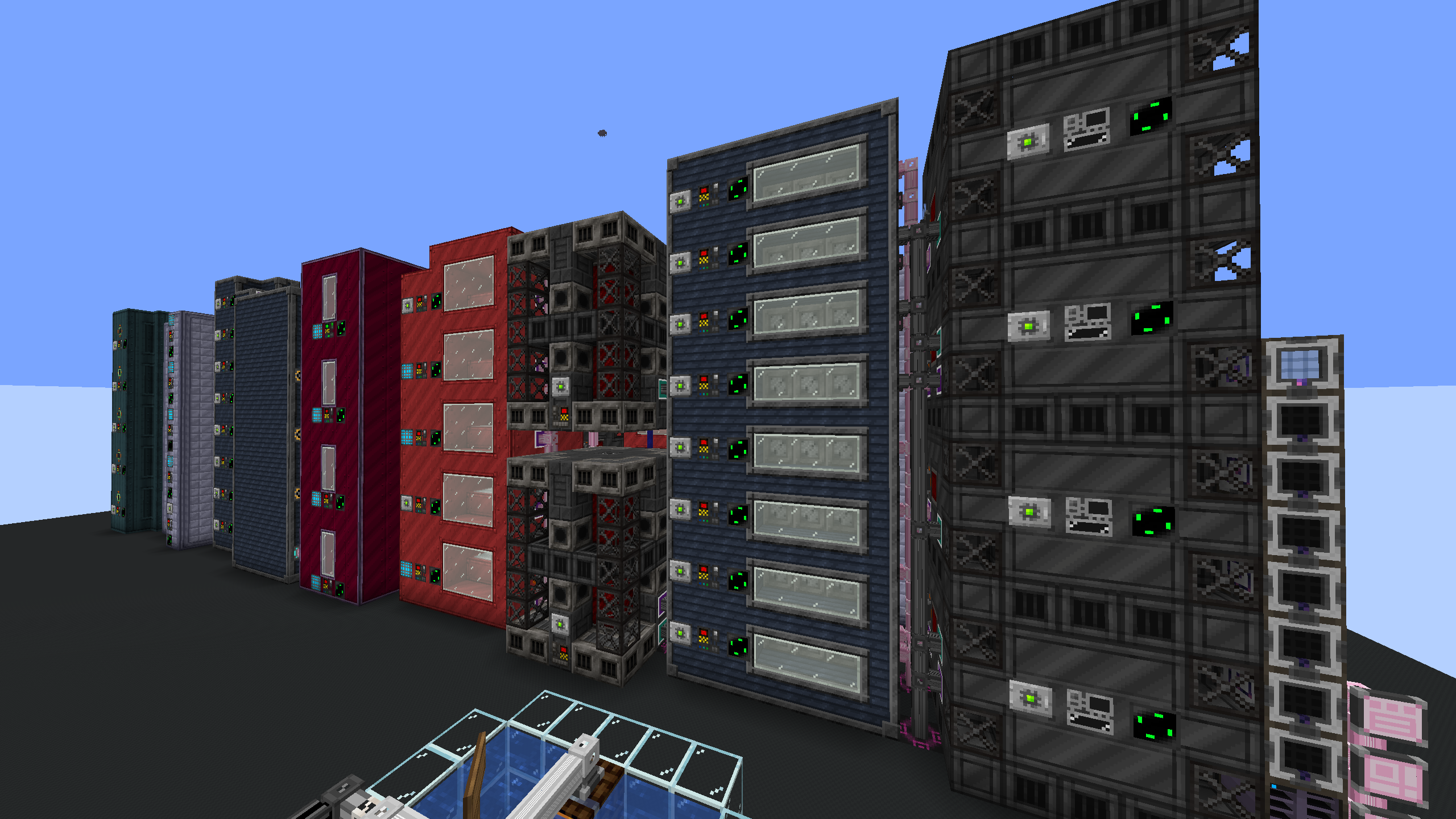
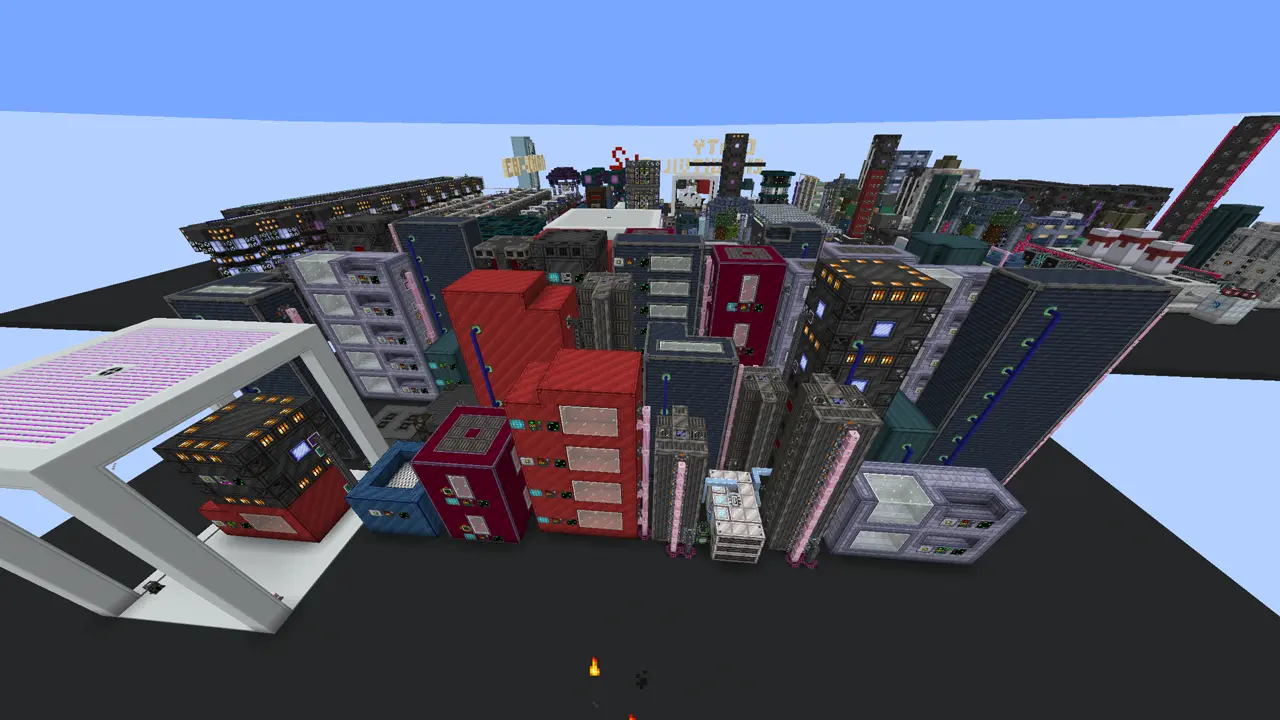
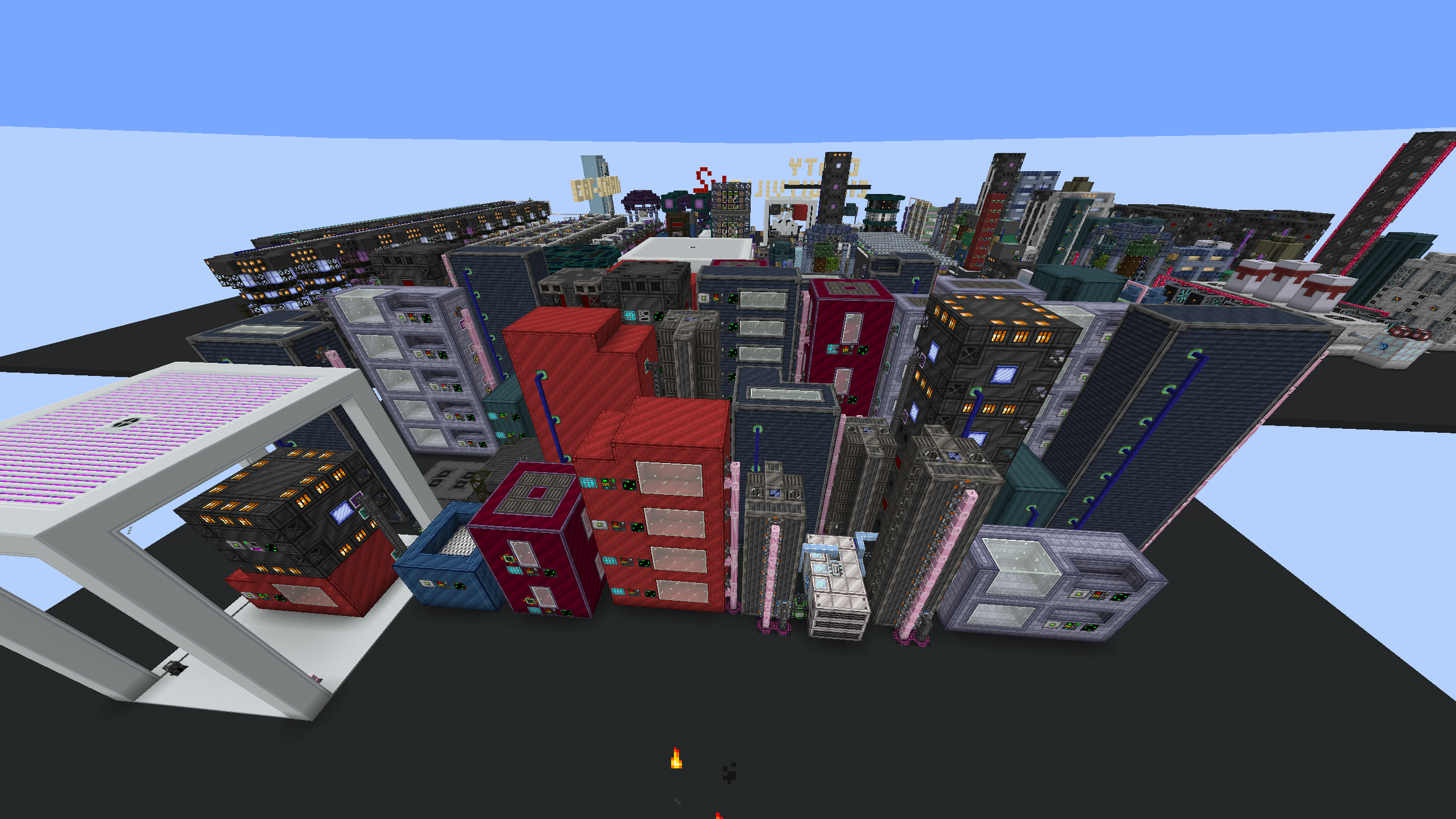
In this region, we craft everything from ULV to UHV circuits, using the best available recipes and best available machines. To save on the number of machines in this build, I used a bunch of requesters and AE2 autocrafting to stock up on the basic components like bolts and wires. Unfortunately, I couldn't do this for every machine, so I ended up with a ton of cutters and assemblers and other machines anyways. It was a huge chore to build and configure every single one of these machines, but the MultIKEA system I created last tier helped immensely.
While I was working on this (it took 4 days or so), Mazerak made a bunch of other improvements around the base. He built processing lines for a bunch of random chemicals, overhauled our ore processing system, redesigned our ingot freezing setup, and built even more fusion reactors. You can tell which builds Maz made because he keeps the AE2 cables aboveground while I always hide them underground.
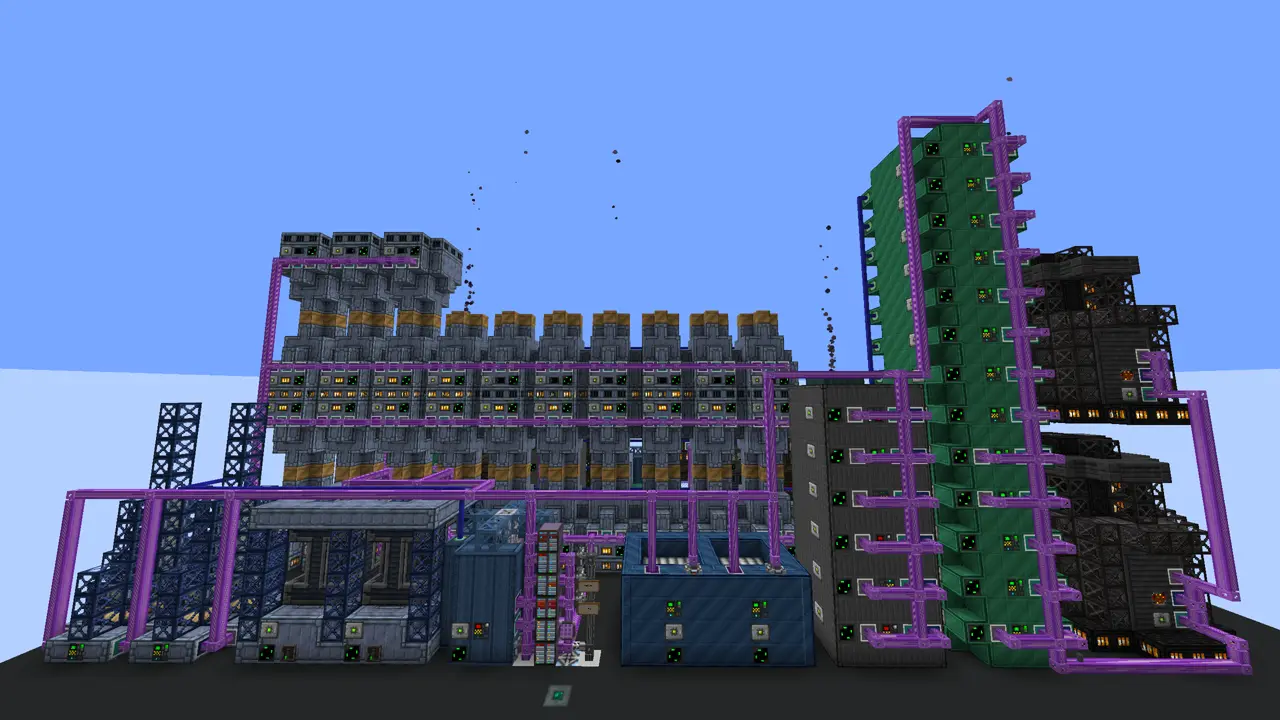
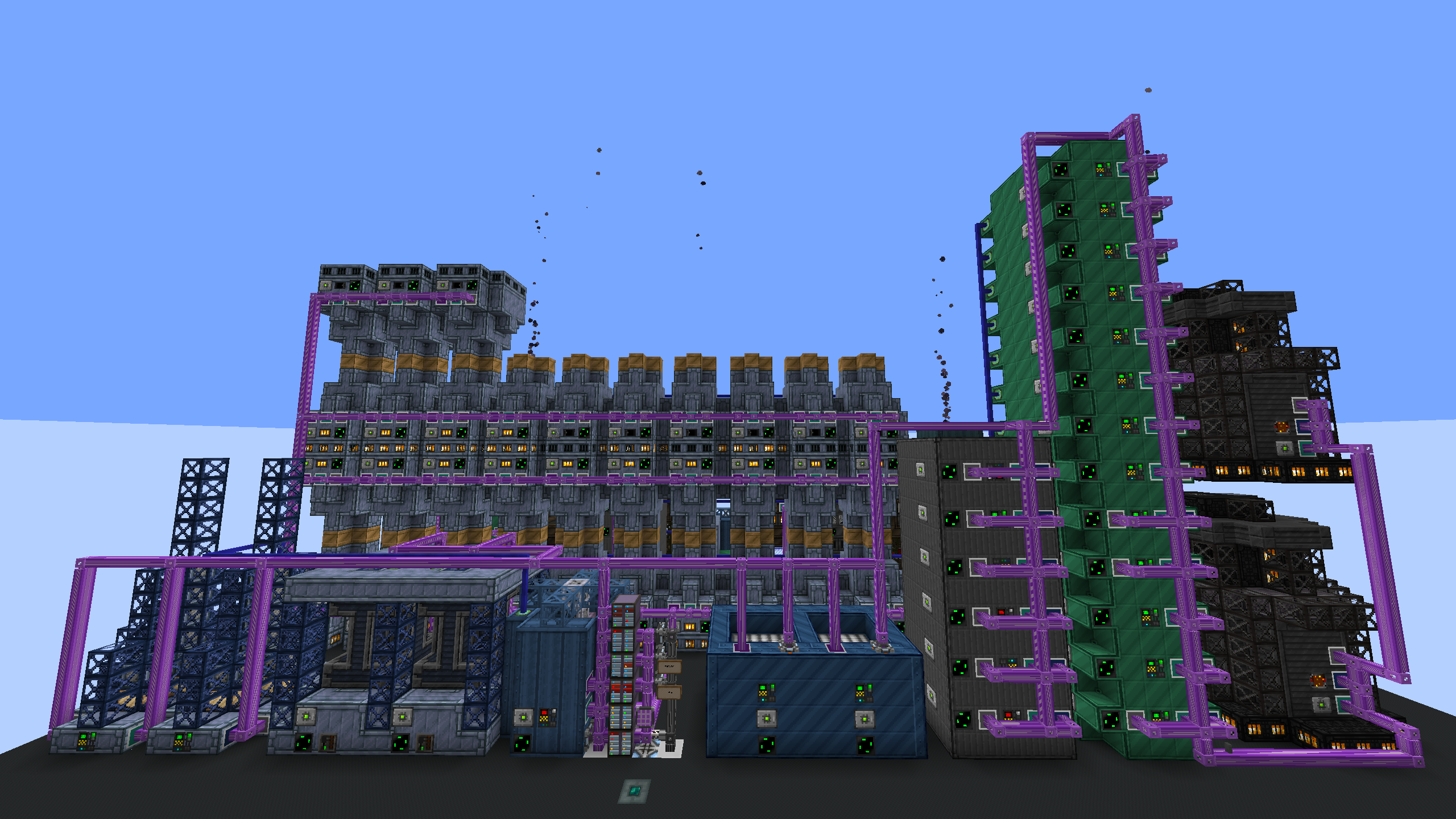
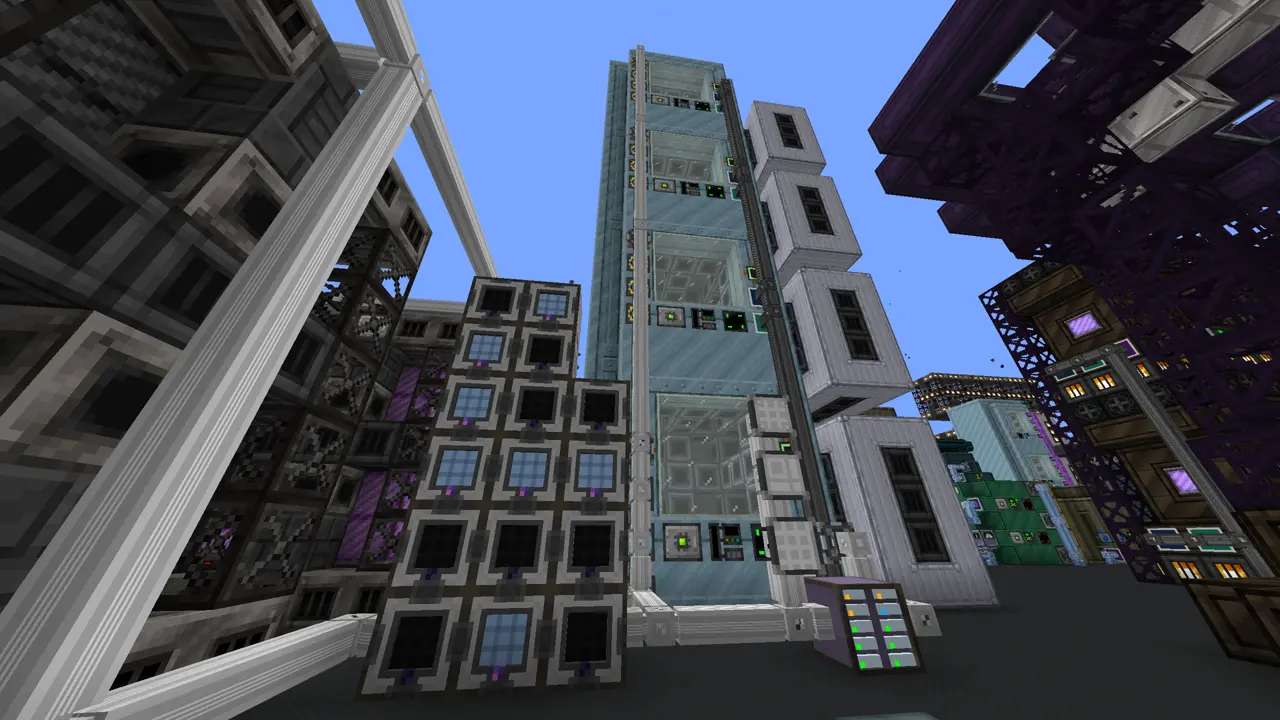
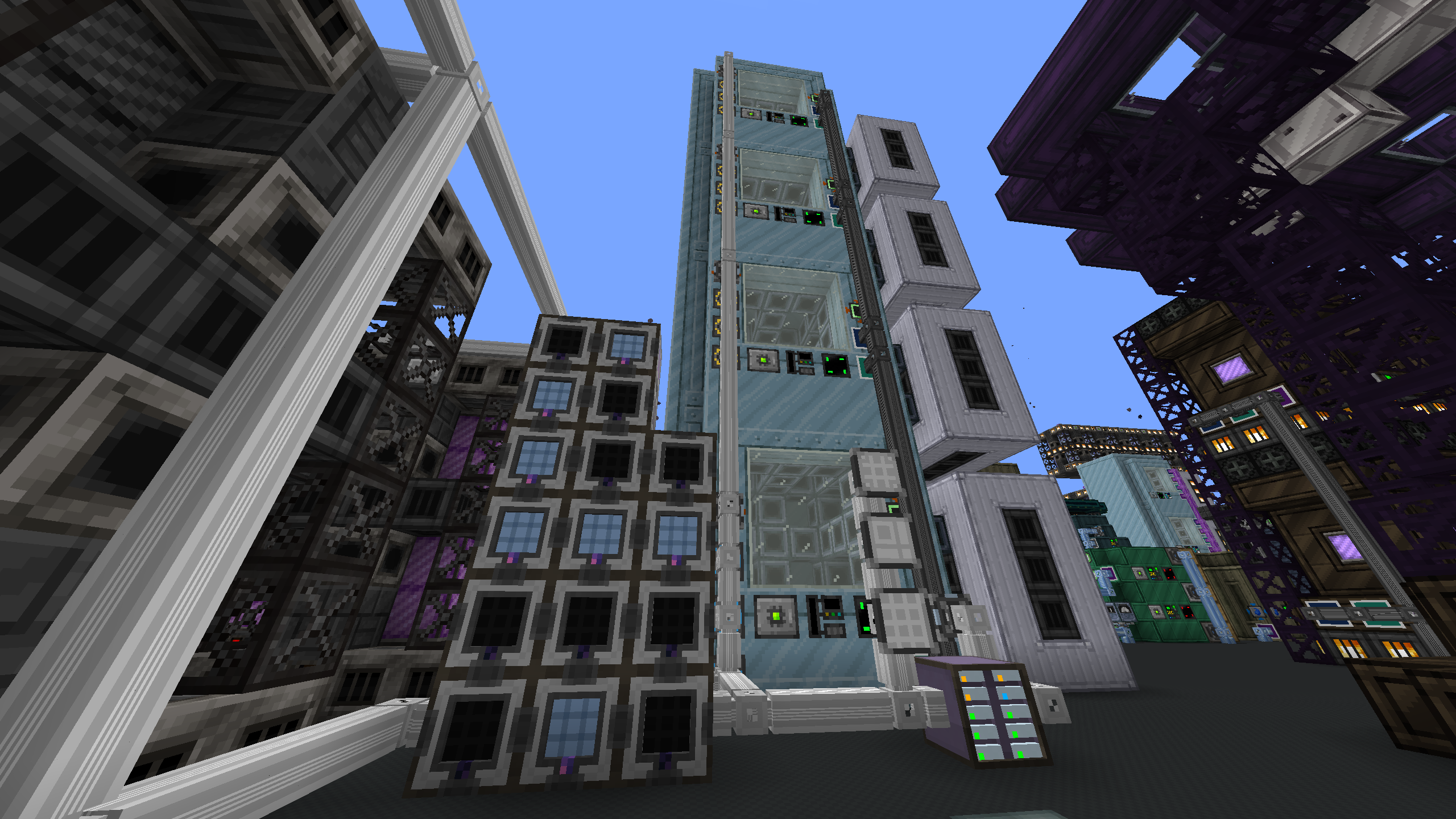
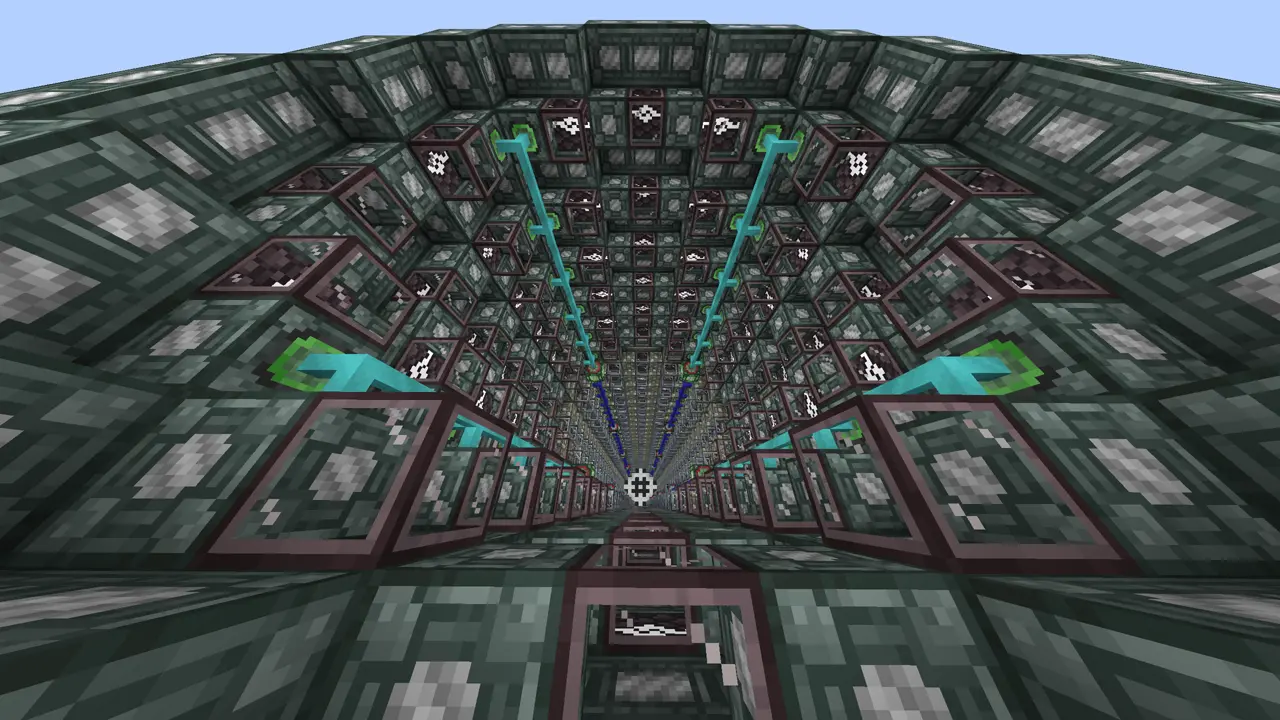
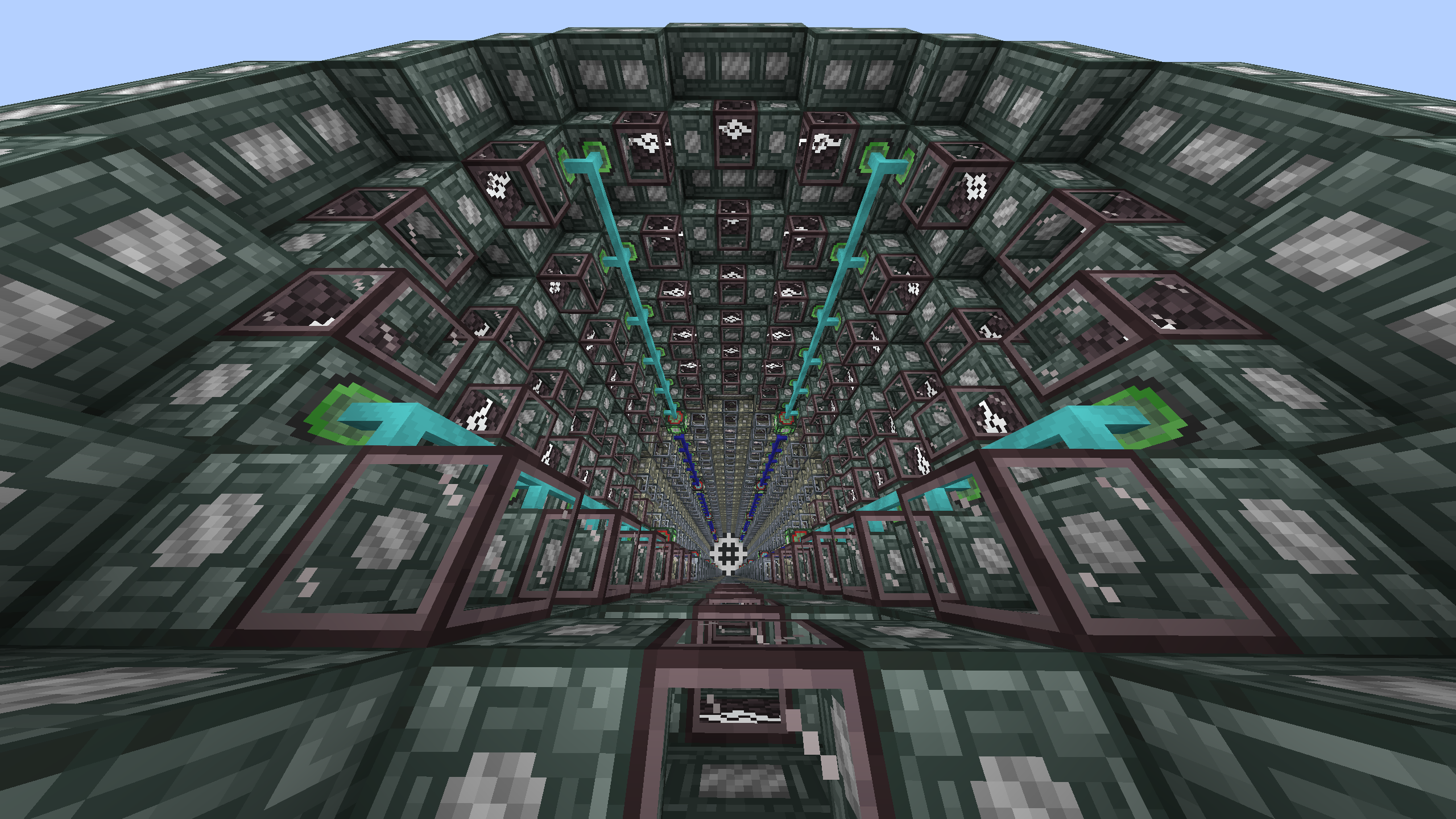
With UHV circuits acquired, we were immediately able to craft the new MK III fusion reactors, getting us neutronium and putting us into a new tier on August 11. There's a lot to do here, and we don't get into UEV until after the Ancient Stargate. So once we've done that, I'll see you in the next post!
- Okay, that's not its real name, but I'm trying to keep this blog family-friendly. ↑